The Hidden Market Why Jerusalem’s Finest Luxury Properties Are Sold Off-Market
By Oren Cohen | Founder & CEO, Oren Cohen Group 31 Years of Jerusalem Real Estate Experience
Last Updated: August 2026
An off-market property in Jerusalem is a home offered privately to selected buyers rather than advertised on public property portals. It may be marketed through a broker’s private network, attorneys, family representatives, or direct introductions. Off-market status concerns the marketing method; it does not replace independent legal due diligence or automatically determine the property’s value.
For international buyers searching for premium real estate in Jerusalem, browsing online portals often leads to a surprising realization: many of the city's most iconic estates, historic villas, and luxury penthouses are simply not listed online.
Public search engines and property portals reveal only part of Jerusalem’s luxury inventory. In the ultra-luxury tier, a significant portion of transactions occur discreetly. Understanding how this private market operates, and the nuances of navigating it from abroad, is essential for serious investors.
What is an Off-Market Property?
An off-market property is offered to selected buyers without being advertised on public real estate portals or through broad marketing campaigns. There are no public "For Sale" signs, no digital ads, and no open houses.
Instead, the property is introduced through private channels. While some owners use attorneys or personal networks, many entrust the process to established real estate brokers who match the asset strictly with pre-vetted buyers from their private client lists.
Why Do Sellers Demand Discretion?
The decision to sell off-market is usually driven by the seller's specific needs, which often outweigh the desire for maximum public exposure. The typical sellers of these properties may include public figures, international residents, business owners, and established families who place a high value on privacy.
Their reasons for choosing private marketing include:
- Privacy and Security: Sellers often do not want the general public, media, or neighbors analyzing their floor plans, art collections, or personal living spaces on the internet.
- Filtering Buyers: Public listings attract high volumes of inquiries, many from individuals without the intent or financial capacity to purchase. Private marketing ensures that only pre-qualified buyers are granted access.
- Controlling the Narrative: In the luxury sector, a property that sits on a public portal for months can become "stale," potentially damaging its perceived value. Private marketing protects the property’s prestige.
The Trade-Off for Sellers
It is important to note that off-market selling is not a perfect system. For sellers, the trade-off for ultimate privacy is limited exposure. Less exposure can sometimes mean fewer competing offers, which could potentially result in a lower final sale price compared to an open-market bidding war.
The Buyer’s Perspective: Navigating Private Opportunities
For buyers, early access to private opportunities can significantly improve the chances of acquiring a rare property, especially in a market like Jerusalem.
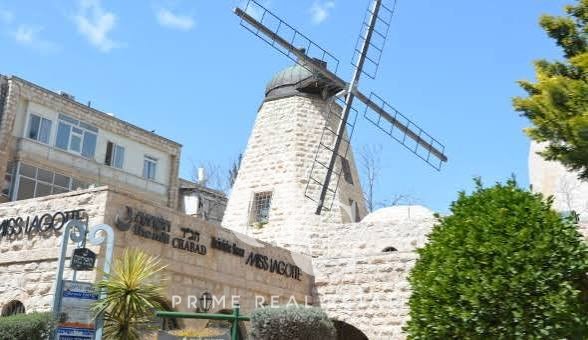
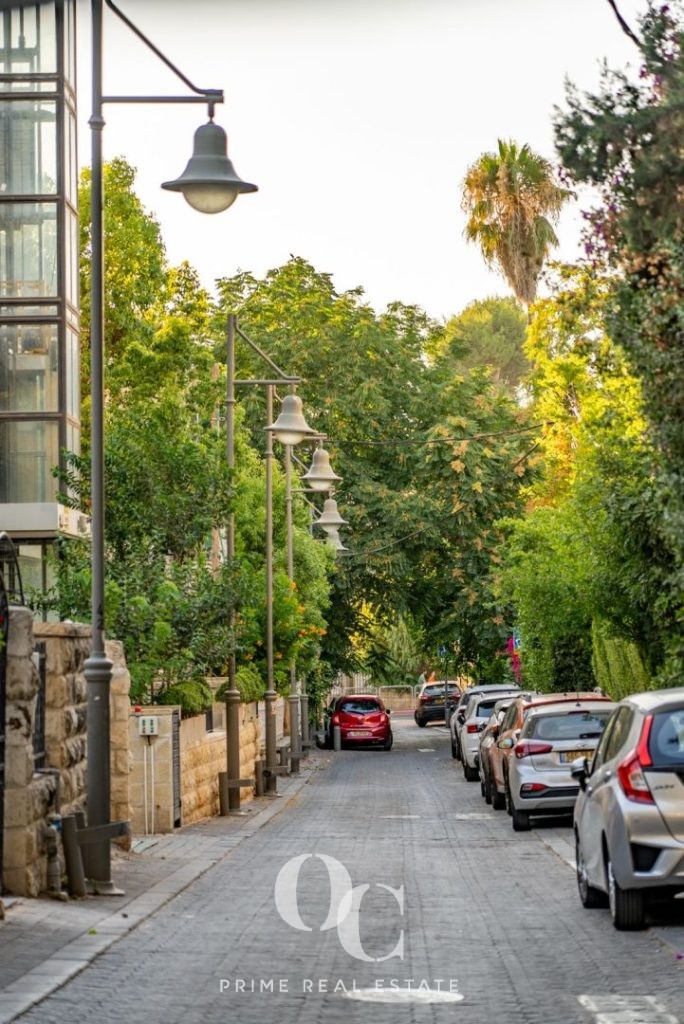
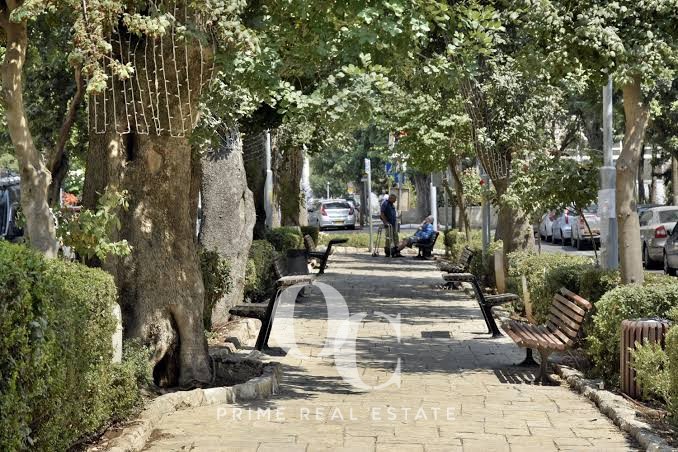
In Jerusalem’s established central neighborhoods (such as Talbiya, Rechavia, and the German Colony), development opportunities are limited by scarce land, existing urban density, planning restrictions, and, in some cases, strict preservation requirements. Consequently, waiting for a "perfect" asset to appear on public websites is often an ineffective strategy.
What Off-Market Does Not Mean
To navigate this sector safely, international buyers must separate the myth from the reality:
- It does not mean a "bargain": Off-market status does not automatically make a property more or less expensive. A private seller can still overprice an asset. Pricing must always be assessed through comparable transactions, location, legal status, and architectural characteristics.
- It does not mean the property is legally cleared: "Exclusive" does not mean "risk-free." The property's marketing status has nothing to do with its legal standing.
Realities of the Jerusalem Luxury Market: An Insider's View
With over three decades of experience facilitating transactions for international buyers, we have seen how the nuances of Jerusalem's market dictate the purchasing process. When dealing with premium private assets, buyers should expect the following:
1. Proof of Funds Before Viewings
Sellers of ultra-luxury private homes rarely allow casual walk-throughs. Before a physical or virtual tour is approved, the buyer's representative is usually required to present a "Proof of Funds" or demonstrate the buyer's financial qualification.
2. Jerusalem-Specific Amenities Drive Demand
In the international market, a property's value is heavily influenced by specific amenities. A penthouse with a designated Sukkah balcony, private underground parking, and a certified Shabbat elevator will command a massive premium and sell much faster—even off-market—because these features are critical to overseas Jewish buyers and exceedingly rare in older neighborhoods.
3. Complex Land Ownership
Not all land in Jerusalem is privately owned. A property might be registered in the Tabu (Israeli Land Registry), managed by the Israel Land Authority (ILA), or sit on Church leasehold land. Off-market or not, identifying the exact ownership structure is the most critical first step before any financial negotiation begins.
The Purchasing Process for International Buyers
Executing a luxury transaction from abroad requires a clear division of professional responsibilities. While the Oren Cohen Group sources the asset and negotiates the commercial terms, the legal and financial execution must be handled by independent experts.
- Legal Due Diligence: The buyer’s independent Israeli real estate attorney must verify the ownership registration, liens, planning and building status, permits, taxation exposure (such as the Purchase Tax for foreign residents), and the seller’s authority to complete the transaction.
- Remote Purchasing: Foreign residents can generally purchase residential property in Jerusalem. While many transactions can be managed remotely through a Power of Attorney (POA) signed at an Israeli consulate, the ability to complete the entire process without visiting Israel depends on mortgage requirements, AML (Anti-Money Laundering) checks on the source of funds, and specific bank compliance regulations.
If you are a qualified buyer seeking access to private opportunities in Jerusalem's premier neighborhoods, professional guidance is essential to identify the right asset and manage the associated risks.
Frequently Asked Questions
Are all high-end properties sold off-market in Jerusalem?
No. While a significant percentage of ultra-luxury transactions occur privately, many historic and unique properties are still advertised publicly. Monitoring both public portals and private networks is the best strategy.
How do foreign buyers access private listings?
Access is typically gained by building a relationship with a well-connected local broker or real estate attorney who understands your specific criteria and can introduce you to sellers in their network.
If a property is not listed online, how do I know its true market value?
Value should be determined through a professional property appraiser (Shamai) and your broker's analysis of recent comparable transactions in the specific neighborhood, factoring in the property's condition and legal status.
Disclaimer: The information provided in this article is for general informational purposes only and does not constitute legal, financial, or tax advice. Buyers should always consult with qualified, independent Israeli legal and financial professionals before entering into any real estate transaction.
Download the Complete Neighborhood Guide
Enter your details to receive the complete data-driven guide.