How to Analyze a Jerusalem Neighborhood Before Buying Luxury Real Estate The Investor’s Framework
Looking beyond the limestone
For most of the families we work with at the Oren Cohen Group, buying a home in Jerusalem is a deeply personal milestone; it is an emotional anchor. But after 31 years of navigating this market, I’ve learned that a successful purchase requires looking past the romance of the limestone walls and digging into the practical realities of the local market.
Jerusalem real estate does not follow the rules of typical international markets. It is a highly localized, historical patchwork where the value of an apartment can shift dramatically from one street to the next, driven by subtle factors that aren't obvious to someone looking from New York or London.
To help you evaluate the market with the eyes of a local insider, we have mapped out the core structural, cultural, and planning factors that actually dictate long-term asset value in Jerusalem’s prime districts.
Understanding the tight limits of Jerusalem’s historic core
Unlike cities such as Miami or Dubai, where developers can continually expand outward or upward, Jerusalem’s historic core operates under strict physical and municipal limitations. In neighborhoods such as Rechavia, Talbiya, the German Colony, and Mamilla, there is effectively no remaining vacant land.
This means that any property you look at must be evaluated through the lens of local zoning laws and preservation frameworks.
If you are looking at Rechavia, for instance, you need to understand the historic 9988 zoning master plan. This plan was put in place to protect the neighborhood's original "Garden City" design, keeping building heights low and maintaining the leafy, residential character. When a client wants to add a large balcony or alter the facade of a building here, they quickly run into these strict municipal guidelines. Buying in a highly preserved zone protects your neighborhood's character and your view, but it also means any future modifications you want to make will require navigating a rigorous approval process.
You also need to look closely at the immediate surroundings when evaluating urban renewal, such as TAMA 38 projects. An older building might look like an attractive entry point, but if the neighboring properties are also prime candidates for major construction, your quiet residential street could become a building site for the next several years. We always advise clients to look for specific pockets where the surrounding buildings have either finished their modernization or are strictly protected under preservation laws, ensuring your peace and quiet remains undisturbed.

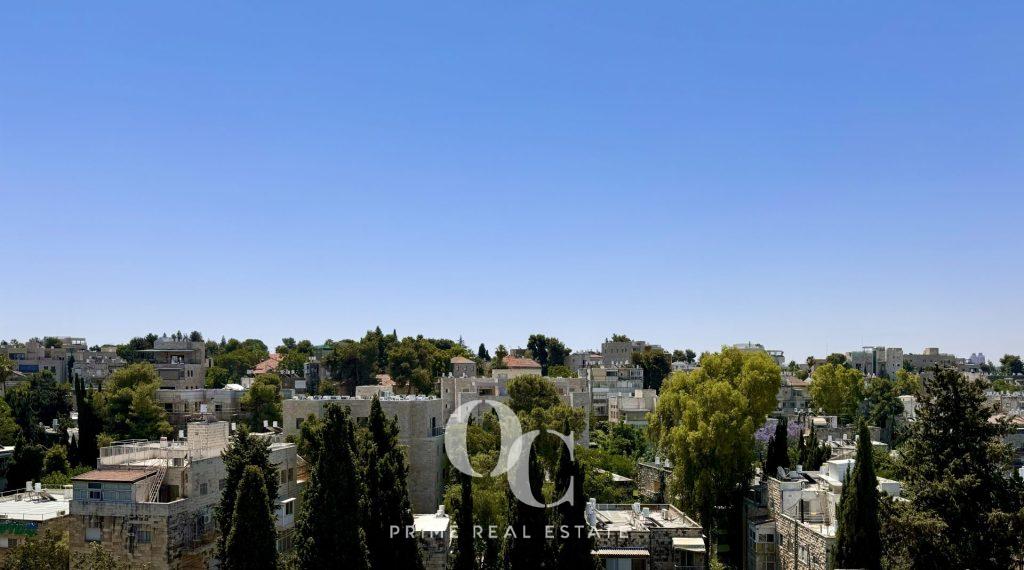
The practical meaning of "walkability" in a historic city
In global cities like London or New York, property value is often tied to transit access or highway connectivity. In Jerusalem’s luxury market, however, one of the strongest drivers of demand is what we call “Shabbat walkability.”
For international Jewish families, a property's true value is measured by how comfortably you can navigate the city on foot to reach your personal, spiritual, and social anchors. This is not just about physical distance; it is about the path itself.
When we evaluate a property’s location, we look at its pedestrian routes to key destinations. Is it a comfortable walk to the Western Wall (Kotel) or the Great Synagogue on King George Street? Can you easily stroll down to the boutique cafes on Emek Refaim, or walk through Independence Park to reach the Mamilla Mall? These pedestrian corridors are the quiet drivers of neighborhood demand, and they are what keep property values in these specific areas incredibly resilient over time.
How architectural heritage shapes lifestyle and resale value
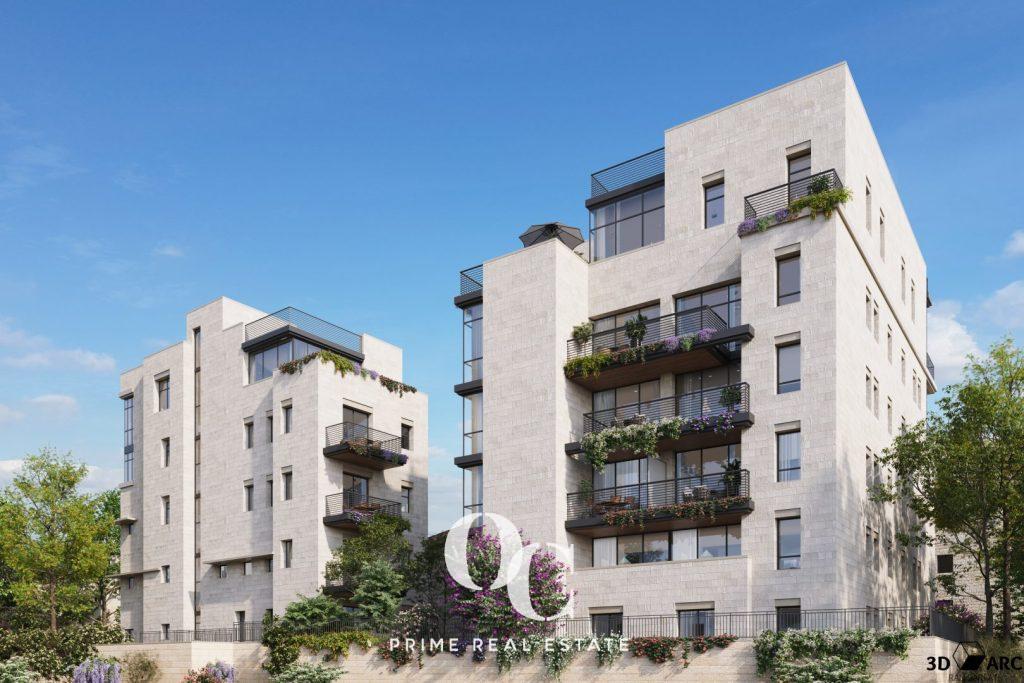
While the entire city is built with Jerusalem stone, the architectural styles beneath that stone vary significantly from one neighborhood to another. This DNA shapes your daily living experience and your future resale liquidity.
In the German Colony, the market is defined by historic Templer architecture. These are low-density homes with European-style pitched red-tiled roofs, thick stone walls, and private, walled gardens. Because they are so rare, they function as trophy assets, attracting buyers who prioritize privacy and historical character.
Rechavia and Talbiya offer a completely different feel. Developed in the early to mid-20th century to house Jerusalem’s academic, political, and intellectual elite, these neighborhoods are famous for their Bauhaus and International Style buildings. They feature clean geometric lines, flat roofs, and elegant curved balconies. It is an aesthetic of quiet, understated luxury that appeals to buyers looking for a classic, sophisticated neighborhood feel.
Baka, by contrast, is known for its grand, preserved Ottoman-era villas. These properties feature soaring ceilings, historic tiled floors, and large arched windows, offering an authentic Middle Eastern character that is highly sought after by those looking for historic grandeur.
Comparative Assessment of Prime Jerusalem Districts
To help you compare these areas, we’ve put together a realistic look at how these neighborhood traits translate on the ground:
| District | Dominant Style | Key Neighborhood Anchors | The Real Vibe | Market Notes & Notable Projects |
|---|---|---|---|---|
| Rechavia | Bauhaus, International Style, and classic low-rise stone apartments | The Great Synagogue, Ramban, Paris Square, Shaarei Chesed, and immediate access to Mamilla and the City Center | Quiet, prestigious, and deeply established. Highly residential with leafy, tree-lined streets. | High demand from US/UK buyers. Key developments include Hanagid Residence, Abarbanel, and Independence. |
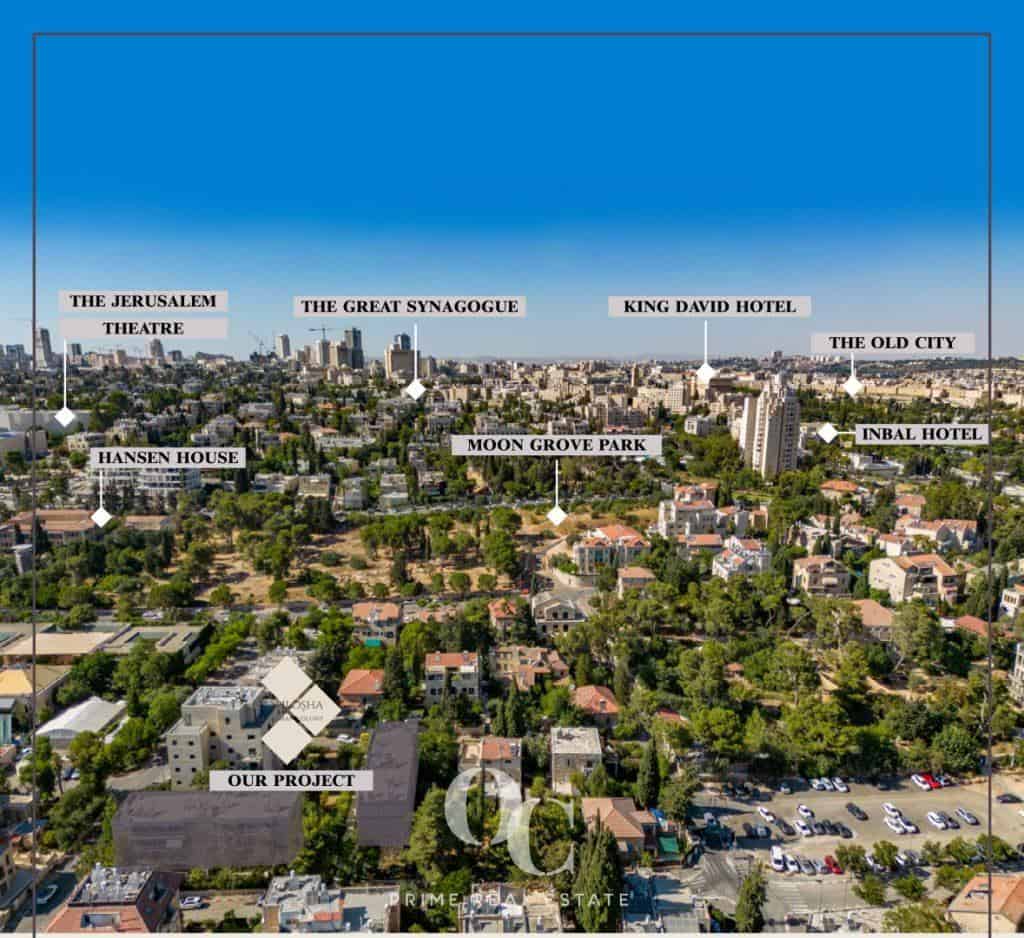
| German Colony | Historic Templer villas and low-density boutique developments | Emek Refaim, First Station, Mesila Park, and Derech Beit Lechem | A unique mix of pastoral tranquility and active street life; very European feel. | Extremely limited inventory. Rare new builds like Hashlosha carry a premium. |
| Talbiya | Grand eclectic estates, mid-century diplomatic residences, and wide avenues | Jerusalem Theatre, the President’s Residence, King David Hotel, and Liberty Bell Park | Highly exclusive, private, and quiet, bordered by major cultural venues and green parks. | Highly prized for its parkside locations. Notable projects include Talbiya Park (Sokolov 6). |
| Mamilla | Restored historic stone alleys integrated with modern luxury buildings | Mamilla Mall, Tower of David, and the Old City gates | Energetic, central, and very close to history. Ideal for seasonal visitors. | Excellent lock-and-go convenience with views of the Old City walls. |
| City Center | Modern high-rise residences, renovated stone buildings, and mixed-use urban developments | Ben Yehuda Street, Jaffa Road, Mahane Yehuda Market, Nahalat Shiva, and the Jerusalem Light Rail | Fast-paced and highly connected. A blend of young professionals, international residents, and tourists creates a vibrant city atmosphere. | Strong demand from international buyers and investors seeking walkable luxury living in the heart of Jerusalem. Major developments include Eden and Vista. |
Managing the purchase process from abroad
Navigating a real estate transaction in Israel as an international resident comes with practical challenges. From understanding local purchase taxes (Mas Rechisha) to managing foreign exchange rates and negotiating Hebrew contracts, you need experienced professionals representing your interests locally.
We established our "A-Z" Personal Concierge Service at the Oren Cohen Group specifically to bridge this gap for our international clients. We don't just find the property; we manage the entire lifecycle of your acquisition:
- Securing Opportunities:: We assist you in accessing exclusive off-market listings and premier pre-sale developments, including projects like Talbiya Park in Talbiya, Hanagid Residence in Rechavia, Independence in Rechavia, or Eden in the City Center.
- Assembling Your Team: We connect you directly with trusted local real estate lawyers, tax advisors, and currency transfer specialists who have extensive experience working with foreign buyers .
- Handling Renovations: If you purchase a historic property that needs sensitive modernization, we introduce you to vetted local architects and contractors who know how to respect historical stone while installing modern luxury finishes.
- Ongoing Management: We oversee and care for your property while you are abroad, ensuring it is secure, maintained, and completely ready for you and your family the moment you arrive. .
Purchasing a home in Jerusalem is a meaningful investment in your family's future. Whether you are drawn to the quiet streets of Rechavia or a historic villa in the German Colony, making a decision based on clear local data is the key to protecting your legacy.
If you are beginning to plan your next steps, we would be glad to share our current market insights. Feel free to reach out to the Oren Cohen Group to arrange a quiet, confidential conversation.
Download the Complete Neighborhood Guide
Enter your details to receive the complete data-driven guide.