How Jerusalem's Light Rail is Reshaping Property Values A Complete Data-Driven Guide for Discerning Investors
Jerusalem’s Light Rail
When discussing technological advances, the focus goes on the big cities of Israel. Jerusalem most certainly stands out, with its vivacious nightlife, archeology, and history, alongside spectacular modern buildings.
In addition to all of these aspects, the residents of the city can enjoy elements that cannot be found in any other city in Israel—elements that elevate the quality of living in the city. The most popular—one that has become an actual symbol of the city—is the light rail, which has created a transformation in public transportation in the capital and, by that, in the residents’ quality of life as well.
A City Connected — By the Light Rail
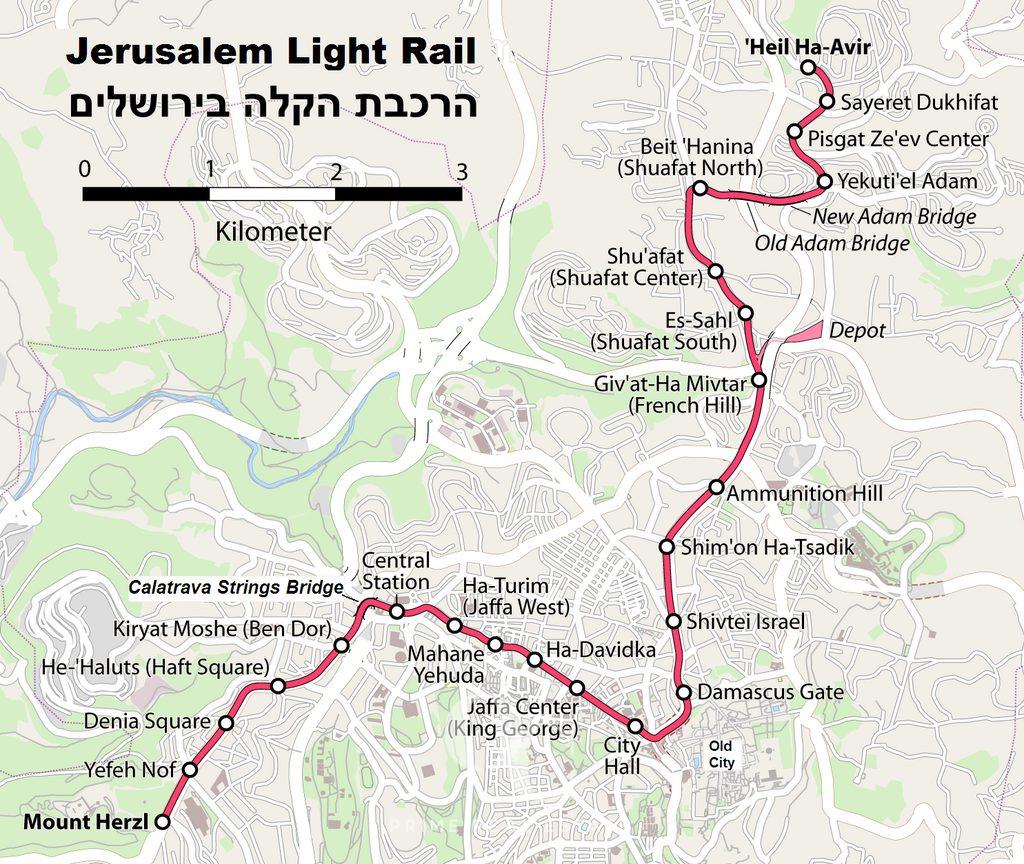
The master plan for the light rail was created in 1995 and approved a year later. Construction began in 2000 and was originally set to be completed in 2006. In practice, the red line opened in 2011. The line remains active to this day, operating through numerous stops across the city.
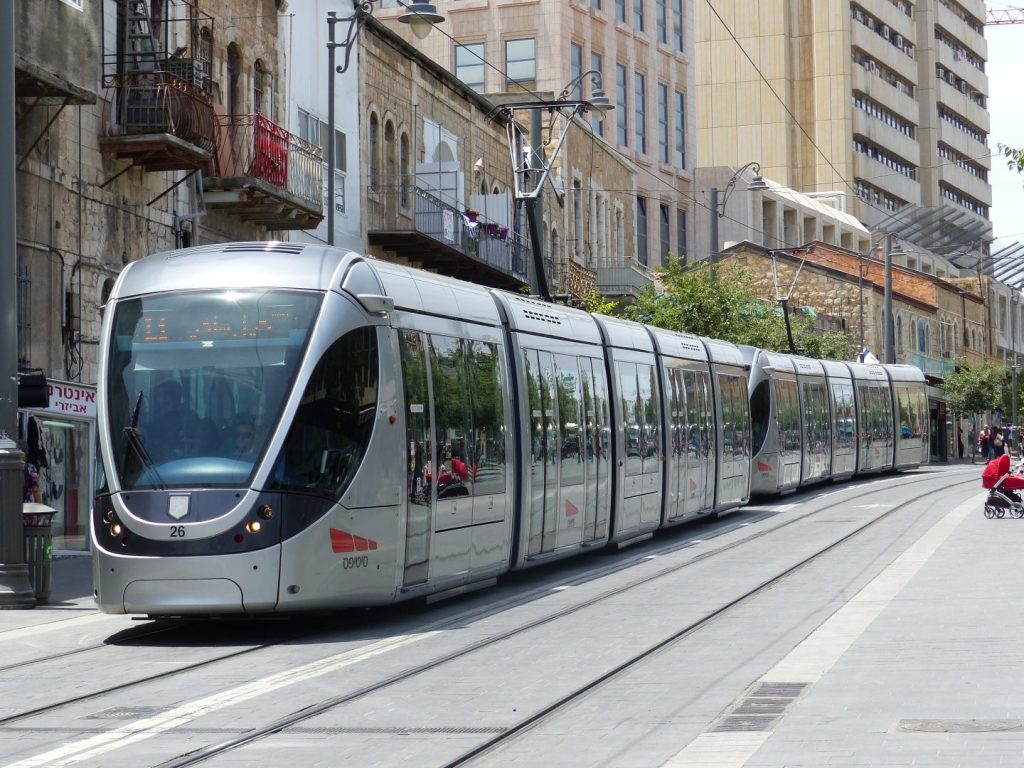
More than 160,000 passengers on average use the light rail daily as their main means of transportation, and in a single year the light rail carries over 40 million people. Each train accommodates up to 500 passengers per ride — the equivalent of ten buses.
The light rail passes through central locations across the city. Even though the route is long, city rides are considered relatively short, giving the light rail a substantial advantage over other transportation options.
From one end to the other, the average ride takes approximately 45 minutes, with only 10–20 minutes required to reach the city center from the endpoint stations. The short travel time, combined with the thousands of daily riders, makes it the ideal means of transportation — not only from a cost perspective, but also from an environmental one.
Driving a Cleaner, Smarter Future
The light rail runs on electricity, helping to significantly reduce air and noise pollution across the city. Many car owners now prefer using the light rail rather than getting stuck in traffic, contributing to a cleaner and more efficient urban environment.
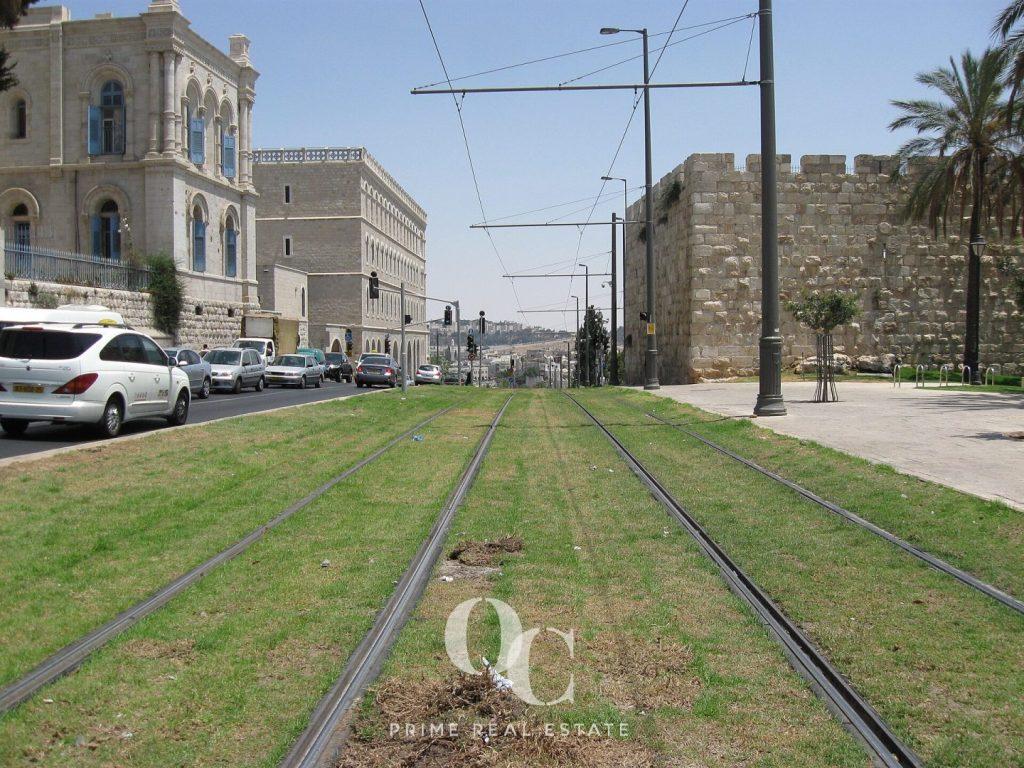
In addition, the light rail is given priority at intersections, allowing for smoother and faster travel throughout the city. This operational advantage further enhances its efficiency compared to other transportation options.
Recently, a new section was added as part of the expansion plan to extend the red line to Hadassah Ein Kerem, connecting the Mount Herzl station with the Tahon intersection. The upgraded red line is already open for test runs and represents a major step toward fulfilling the vision of Jerusalem becoming a city free of traffic jams — leading Israel’s public transportation revolution.
How Does the Light Rail Affect Real Estate Prices in Jerusalem?
Beyond improving the overall quality of life in the city, the Jerusalem light rail has had a significant positive impact on real estate prices along both its current and future routes.
Increased accessibility to major activity centers, business districts, and cultural hubs has contributed to noticeable growth in property values — with prices rising by over 15% in central areas and more than 5% in peripheral neighborhoods connected to the rail line.
While public transportation in Jerusalem, including the light rail, continues to evolve and improve, the main challenge lies in ensuring efficient passenger distribution across different transportation modes. Achieving smooth and timely transfers will be essential for maximizing the system’s long-term benefits — both for residents and for property owners.
First Year of Operation (2011–2012)
Once the line opened and residents experienced the actual benefit, a wave of appreciation occurred:
| Neighborhood | 2011 Price (Opening) | 2012 Price (One Year Later) | Additional Increase | Additional Gain (₪) |
|---|---|---|---|---|
| City Center | ₪1,300,000 | ₪1,600,000 | +22.8% | ₪299,000 |
| Bayit VaGan | ₪1,680,000 | ₪1,900,000 | +17.0% | ₪285,000 |
| Ein Karem | ₪1,268,000 | ₪1,450,000 | +14.5% | ₪185,000 |
| Pisgat Zeev | ₪1,036,000 | ₪1,130,000 | +9.4% | ₪97,000 |
| Kiryat Hayovel | ₪933,000 | ₪1,010,000 | +8.25% | ₪77,000 |
The Investment Thesis
If history rhymes rather than repeats…
Green Line neighborhoods that experienced modest 3–5% gains during the early approval phase (2017–2018) may follow the Red Line pattern — where neighborhoods with similar early gains went on to achieve 30–80%+ total appreciation throughout construction and operational phases.
The opportunity: Position in high-quality properties along the Green Line corridor before full operational benefits drive the next appreciation wave (expected 2027–2028).
Technology, Innovation & Rising Demand
To further enhance the light rail’s positive impact on real estate, continued investment in technological advancements is essential. The adoption of cutting-edge systems will help minimize environmental disturbances while improving operational efficiency — ultimately strengthening property values along the rail lines.
An improved transportation experience elevates overall quality of life and directly contributes to increased demand for residential and investment properties throughout Jerusalem.
The city’s growing appeal is particularly evident among young families, students, and foreign investors. Several factors contribute to this momentum, including the strengthening U.S. dollar, rising global instability, and a strategic shift of capital toward Israel’s resilient real estate market.
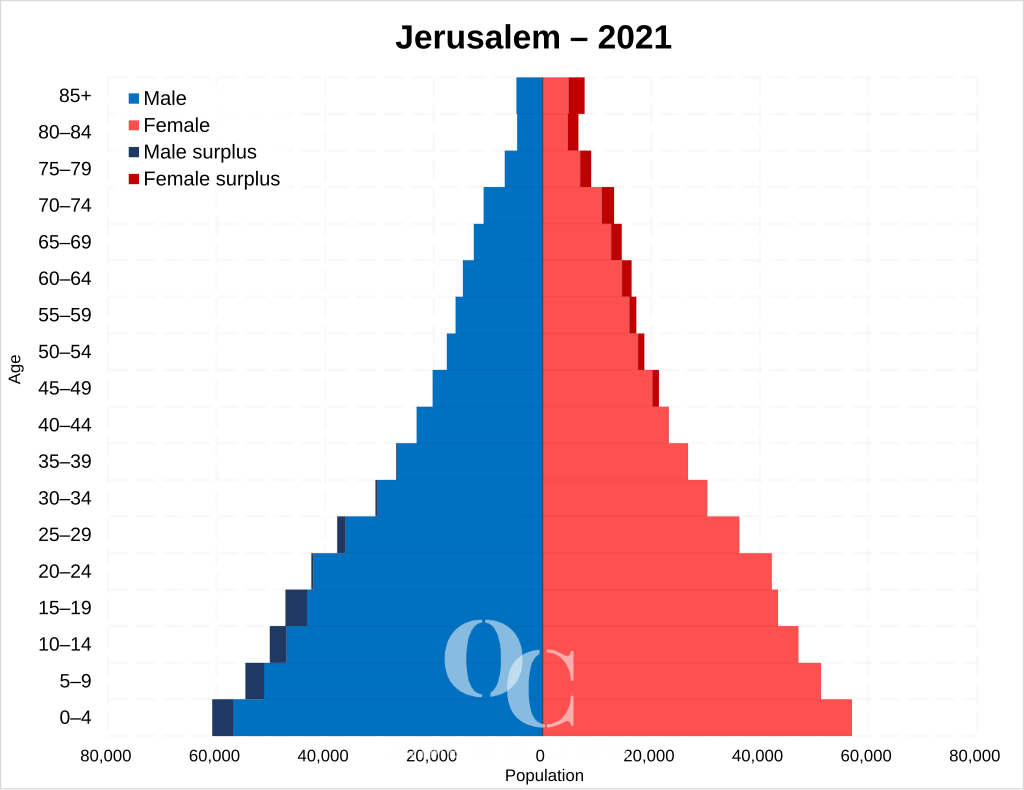
In addition, Jerusalem’s natural demographic growth — the highest among Western nations and one of the highest globally — further reinforces its position as one of the most compelling real estate investment destinations in the region.
Download the Complete Neighborhood Guide
Enter your details to receive the complete data-driven guide.